
San Diego Continues to Expand Homeless Shelter Capacity and Resources to Help People Off the Street
The City of San Diego has nearly doubled its homelessness response capacity since the launch of the Community Action Plan on Homelessness in 2019, according to a recent update presented to the City Council this week.
Supportive housing units, emergency shelter beds, Safe Sleeping sites and Safe Parking resources have grown from 5,924 total resources in 2019 to 11,572 in 2026. The largest increase has come in supportive housing, which expanded from 3,229 units to 6,804 during that period.
The update was delivered by leaders from the City’s Homelessness Strategies and Solutions Department, the San Diego Housing Commission and the Regional Task Force on Homelessness. The agencies emphasized the need for a homelessness response system that can continue adapting to sustained demand while improving outcomes for individuals experiencing homelessness.
“San Diego has remained focused on a consistent strategy: prevent homelessness, when possible, provide safe and appropriate shelter, and help people move into permanent housing,” said Mayor Todd Gloria. “We have nearly doubled the resources available across our homelessness response system, including more than doubling permanent supportive housing. That approach is producing measurable progress, with unsheltered homelessness declining for two consecutive years and significant reductions among veterans and young people. We know the work is far from finished. We will keep investing in what works, improving where results fall short and adapting our response to meet the changing needs of San Diegans experiencing homelessness.”
Officials said current efforts remain focused on improving the client experience, reducing chronic homelessness, expanding prevention services and tailoring interventions to meet the unique needs of individuals and families.
The Community Action Plan on Homelessness, first developed in 2019, serves as a long-term roadmap outlining the resources needed to fully address homelessness in the region. The strategy is built around six primary interventions: prevention, diversion, emergency shelter, rapid rehousing, low-income housing and supportive housing. As identified in the City Council presentation, fully implementing the plan requires sustained financial investment over time.
The report also highlighted the continued need to strengthen prevention and diversion programs, which help people avoid entering the homelessness system. Regional estimates indicate approximately 4,700 individuals would need to be served annually through these programs to significantly reduce inflow into emergency shelters. Current resources, however, are sufficient to serve about 1,613 individuals each year.
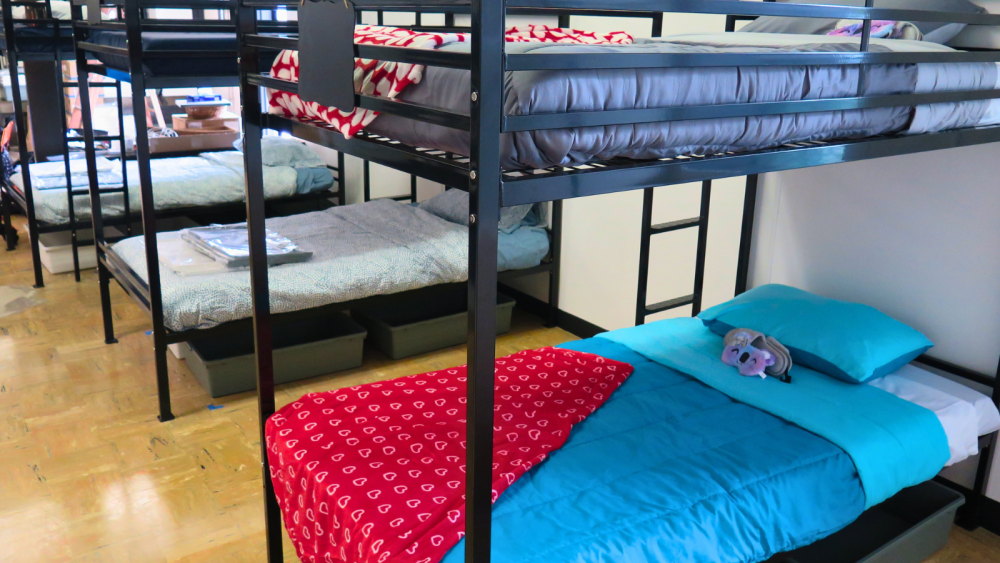
Despite ongoing budget challenges, the City continues to expand shelter capacity. In fiscal year 2026, San Diego is projected to add 200 shelter beds compared with the previous year. The City currently funds approximately 2,600 sheltering options, including 1,551 traditional shelter beds, 767 Safe Sleeping tents, 396 Safe Parking spaces and 18 camper trailers designated for families.
Newly released Point-in-Time Count data suggest those investments are contributing to progress. For the second consecutive year, unsheltered homelessness in San Diego declined, with the latest count showing a 6.6% reduction compared with the previous year.
Officials attributed some of that progress to a shift away from one-size-fits-all shelter models and toward specialized programs designed to serve specific populations. According to the report, unsheltered veteran homelessness declined by 16%, unsheltered youth homelessness decreased by 42%, and unsheltered family homelessness fell by 3% over the past year.
While city leaders acknowledge that significant challenges remain, the latest data demonstrate the impact of targeted investments across the homelessness response system. Continued efforts to address homelessness also remain a priority for residents, who identified the issue as one of their top concerns in the City’s Fiscal Year 2027 Budget Survey.