
Regional Report Shows Continued Progress In Addressing Homelessness
A new report shows more people in the San Diego region are moving from homelessness to permanent housing, along with first-time instances of homelessness decreasing. The findings were recently released by the Regional Task Force on Homelessness (RTFH) in its 2025 Data and Performance Report. The RTFH manages the region’s Homeless Management Information System, which is used to track connections to homelessness services and/or housing.
Looking at countywide homelessness data over the last few years, the RTFH report found permanent housing placements improved among veterans, youth and seniors. From 2023 to 2025, veterans showed the largest percentage increase in permanent housing placements, from 30% during the 2023 fiscal year to 42% in fiscal year 2025.
"These results show progress at both ends of the system—more people are moving into permanent housing, and fewer people are entering homelessness for the first time," said Mayor Todd Gloria. "That's encouraging, but we know there is still more work to do. We'll continue investing in proven strategies, working with our regional partners, and expanding shelter, outreach, and housing because every person we help move into stable housing is a step toward a stronger San Diego."
The report also shows progress among individuals experiencing homelessness for the first time. Over the last few years, seniors saw a 6% drop in reports of first-time homelessness in shelters and permanent housing projects, while veterans had the largest percentage drop at 14%.
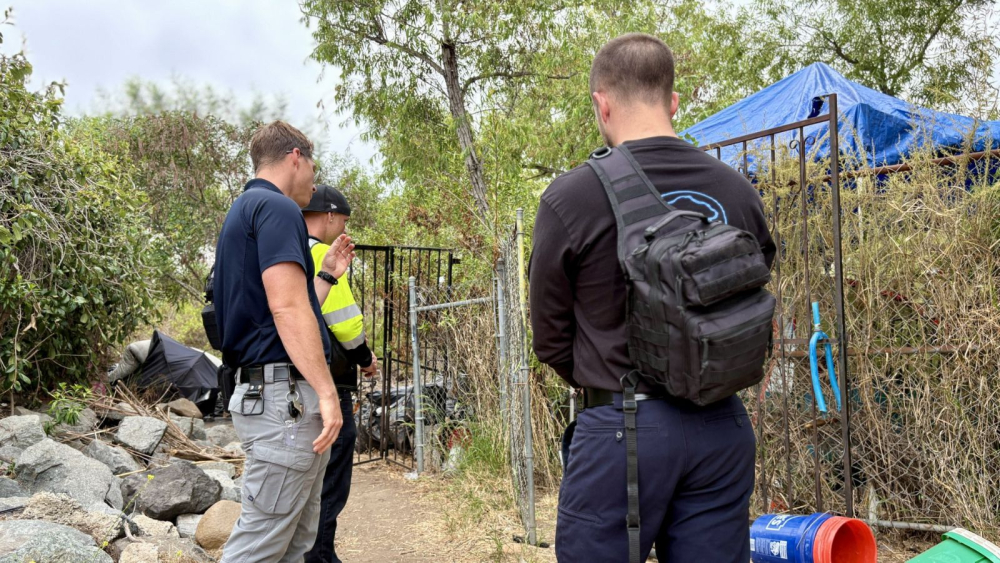
Street-based outreach teams continue to show significant value in connecting individuals to services meant to end their homelessness. The RTFH report concluded that from 2023 to 2025, street outreach teams countywide saw an increase in successful connections to temporary shelter and housing from 24% to 53% of clients.
Consistent with this successful work, the City renewed its Coordinated Street Outreach Program contract with PATH San Diego. The program has 41 contracted outreach workers throughout the city dedicated to responding to referrals and meeting the basic needs of those experiencing street homelessness. In addition, the San Diego Fire-Rescue Department’s street-medicine team known as the Resource Access Program (RAP) recently partnered with UC San Diego Health to add a psychiatric nurse practitioner assigned to the team.
The RAP team regularly works with individuals experiencing homelessness, targeting high users of the City’s 9-1-1 system and connecting them with appropriate medical care. The San Diego Police Department’s Neighborhood Policing Division also has a Homeless Outreach Team and recently expanded its Intervention Services Team, which works with individuals who are the hardest to reach.
Despite this progress, the length of time people remain in shelters continues to be a challenge for the region. Countywide, the average length of stay in a shelter rose from 185 days in fiscal year 2023 to 193 days in fiscal year 2025, with seniors showing the longest length of stay.
The RTFH report concludes, “The FY2023 to FY2025 data show a homeless response system serving a consistently high volume of people and households, with some areas of progress and some continued challenges.”
City-funded homelessness programs serve more than 10,000 individuals per year. The City funds approximately 2,600 sheltering options across more than a dozen programs including traditional shelter beds, the Safe Sleeping program and Safe Parking programs. In fiscal year 2027, despite a tough budget year, the City will add 200 more shelter beds compared to last year.