
Proposed Parking Policy Changes Would Deliver More Neighborhood Improvements, Strengthen Transparency
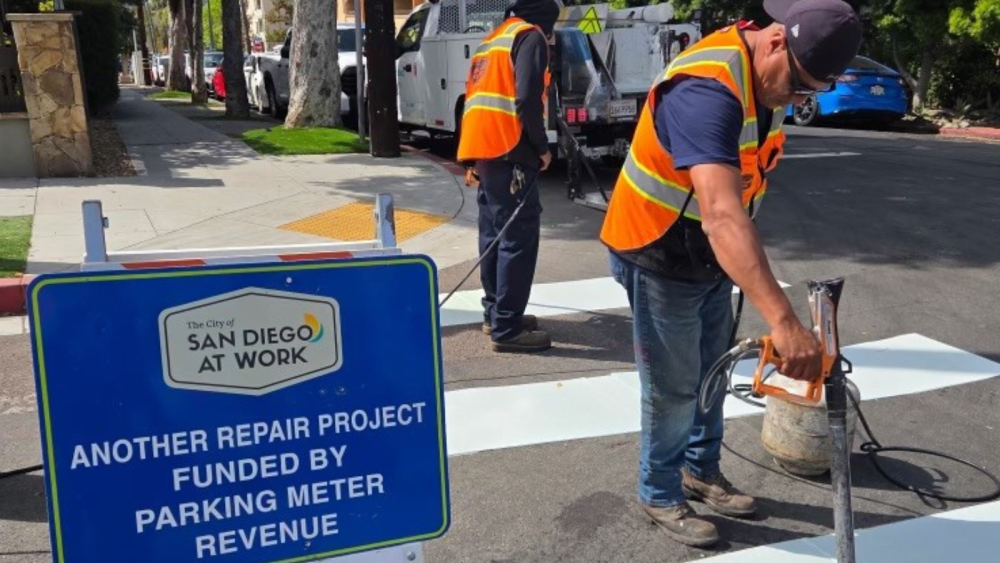
In order to ensure parking meter revenues continue to fund necessary infrastructure improvements in San Diego neighborhoods, the City of San Diego is proposing permanent changes to its parking district policy which guides the use of meter funds, to strengthen transparency and community input in City spending decisions.
Council Policy 100-18 (CP 100-18) governs the collection and expenditure of parking meter revenues within Community Parking Districts (CPDs). Proposed amendments to the policy would secure the City's direct management of these public funds while establishing clearer requirements for community consultation, expenditure reporting and public notification.
“When San Diegans pay to park in our neighborhoods, they should see those dollars working to improve the very communities they're visiting,” said Mayor Todd Gloria. “Under my administration, we've worked with community partners to turn parking revenues into real improvements – repairing streets and sidewalks, restoring streetlights and making our roads safer. These investments strengthen our neighborhood business districts, support local economic activity and improve the experience for residents and visitors alike. Our proposed changes will help us deliver more of these improvements while ensuring community voices continue to guide where investments are needed most.”
Since October 2025, the City has worked with Council offices and community stakeholders to direct parking meter revenues toward local infrastructure needs. This has resulted in local neighborhood repairs at more than 6,200 locations including:
| More than 2,600 streetlights restored |
| More than 3,300 potholes filled |
| Sidewalk replacement projects completed at 34 locations in Downtown, Mid-City, and Uptown |
| Safety improvements completed at over 260 intersections, including nearly 400,000 linear feet of new paint (crosswalks, curbs, striping) and nearly 500 new or replaced signs |
These additional investments in parking meter zones would not have been possible without dedicated parking revenue. The City has also expanded spending reports and enhanced its public parking meter revenue dashboard to provide residents with greater visibility into how these funds are being invested.
Under the proposed amendments, the City would retain direct management of parking meter revenues rather than continuing the previous revenue-sharing arrangement with Community Parking District organizations. The previous model required extensive administrative processes, including operating agreements, annual funding contracts, insurance requirements, and ongoing contract administration oversight, creating additional costs, liability and staffing demands for both the City and its community partners.
Direct City implementation allows the City to streamline those processes and dedicate more resources to neighborhood improvements and infrastructure projects. The City also has the operational capacity to deliver a broader range of infrastructure repairs and improvements that individual CPD organizations.
While the proposed amendments would change how parking meter revenues are administered, Community Parking Districts will continue to play an important role in identifying neighborhood needs and recommending spending priorities.
Community Parking District Advisory Boards, Council offices and other stakeholders will continue to provide input on proposed expenditures. The amendments would formalize consultation and notification requirements, giving community representatives and the public greater visibility into planned investments before budget decisions are made. For example, the annual budget development process would begin with CPD Advisory Boards identifying priorities, Advisory Boards would be notified and have the opportunity to provide input before any meter or enforcement changes were implemented, and new public reporting requirements would be instituted for parking meter revenues and expenditures.
“Parking meter revenues are an important source of funding for neighborhood infrastructure, and we have a responsibility to ensure those dollars are reinvested efficiently and transparently,” said Chief Operating Officer Bethany Bezak. “By managing these funds directly, the City can reduce administrative costs, better coordinate infrastructure projects and deliver improvements that benefit residents, businesses and visitors. Community Parking Districts will continue to help identify local priorities, while the City focuses on delivering projects and reporting clearly on how these funds are spent.”
The City also intends to build on its existing reporting practices and enhanced parking meter revenue dashboard to make expenditure information more accessible and strengthen public accountability.
The proposed amendments follow changes approved by the City Council in June 2025 and practices implemented after the City Council temporarily waived CP 100-18 in October 2025.
The amendments are intended to establish a more consistent, efficient and transparent framework for managing parking meter revenues beginning with the City's Fiscal Year 2028 budget planning process.
The proposed changes will be discussed this afternoon at the Active Transportation and Infrastructure Committee meeting. The City also anticipates bringing the amendments before the City Council for consideration in early 2027.
Residents and community stakeholders are encouraged to participate in the public process and provide feedback on the proposed policy changes.
For more information about Community Parking Districts and parking meter revenue expenditures, visit The City of San Diego’s Parking Revenue Trends Dashboard.