
City Recognizes May 2026 as Building Safety Month
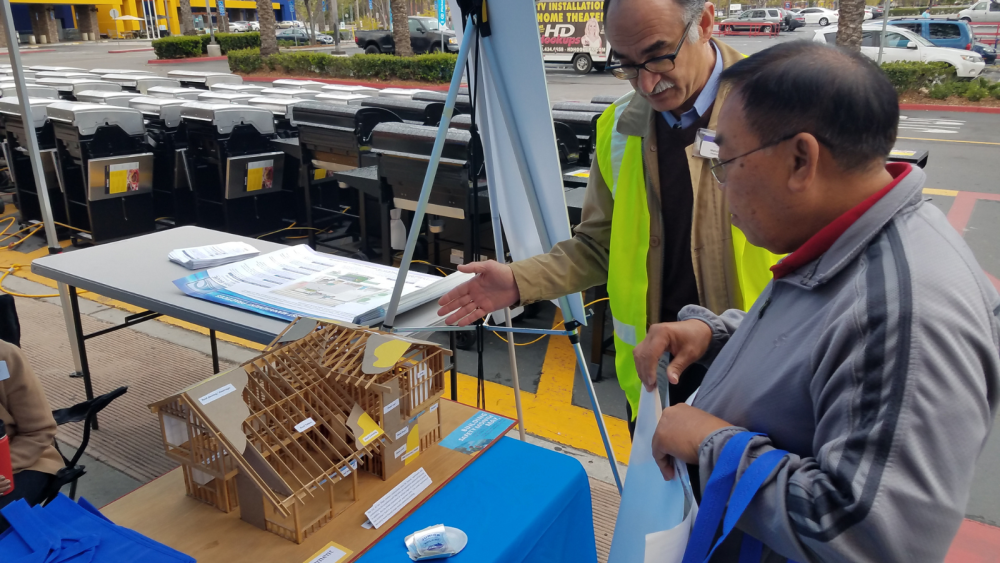
The City of San Diego has recognized May 2026 as Building Safety Month, celebrating the work of inspectors, engineers and other City staff to develop and maintain San Diego’s facilities and infrastructure.
Why is building safety important? Simply put, occupants – residents, employees, patrons or guests –expect to enter a building without fear for their safety. That can mean keeping out hazards caused by inclement weather or natural disasters, but it also means properly mitigating hazards inherent to the building itself. The City’s Development Services Department (DSD) employs professionals in a variety of roles who assist applicants in setting up their projects and establishing required approvals to best ensure safety.
Many building safety measures are unseen, like the arrangement of wiring in an office or the materials used to build a restaurant. Where you can make an immediate impact is in your own home. With some planning and attention, many risks can be easily and reliably mitigated.
Residents and property owners should consider the following tips to ensure safety for building occupants:
Permitting
One of the best ways to ensure your home is safe is to always work with DSD when it comes to home improvement projects. They’re here to help, with plenty of specialized knowledge of building codes, contractors and what permits you’ll need to get the job done.
You can check the City’s permits and approvals page as a go-to reference before scheduling an appointment with DSD staff. You should also familiarize yourself with applicable codes and regulations, particularly on larger projects.
Fire Safety
You should have a smoke alarm outside every area where people in the home regularly sleep and on every level of your home. It’s also important to test them regularly and replace batteries as needed. Smoke detectors themselves should be replaced about every 10 years.
Make sure you have a plan for what to do when you hear a smoke alarm, too. That means establishing a meeting place outside the home, keeping hallways and doors clear of obstructions and ensuring everyone in the home knows how to unlock windows and doors from inside.
For outdoor fire safety, we encourage you to check the City’s brush management page and to be aware of fire severity zones.
Energy Efficiency
Be sure to regularly change the filters in the heating and cooling system of your home. Heating and cooling use more energy than any other system in the home, accounting for approximately 43% of a year’s total energy spending. Dirty filters overwork equipment, which leads to early equipment failure. Replacing filters every one to three months can help you save money on utility bills and improve indoor air quality.
Make it a habit to turn off and unplug home electronics and other devices when not in use. Using a smart or advanced power strip to manage plug loads is an easy way to save money on your electric bills and avoid potential hazards.
If you haven’t already, replace standard light bulbs with LED bulbs. LEDs use up to 90% less energy and last up to 25 times longer than traditional incandescent bulbs.
Taking some time to do regular checks of these household items is a great way to ensure you are keeping yourself, your family and your neighbors that much safer.