
City Creates More Opportunities for Housing and Neighborhood Improvements with Land Development Code Updates
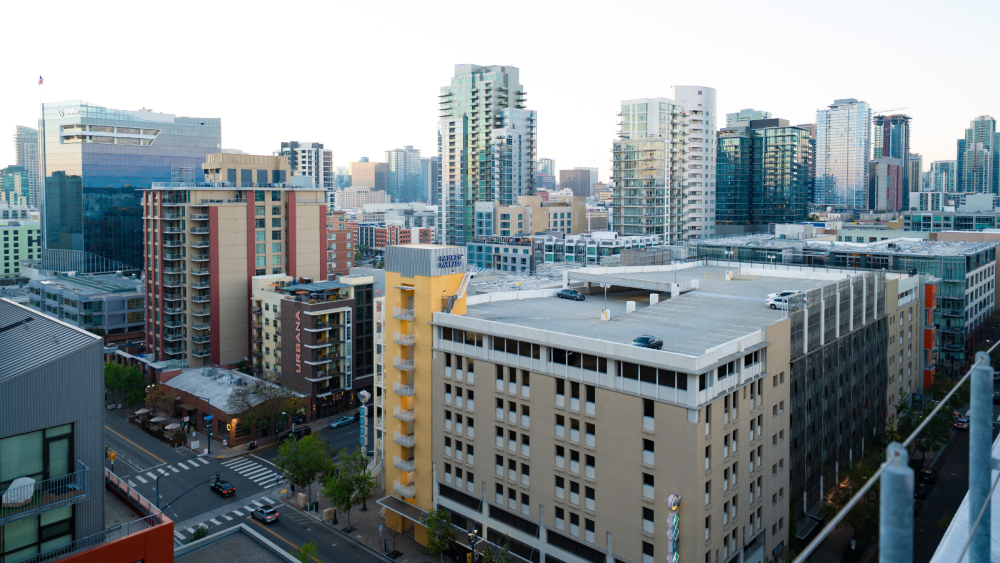
Recent policy updates approved by the San Diego City Council aim to create more housing opportunities and better access to health care and childcare.
The City’s recent updates to its Land Development Code (LDC) will result in over one hundred changes designed to create more homes and improve neighborhoods.
That’s because the LDC establishes regulations for how property is developed and used throughout the City. Each year, the City reviews and updates the LDC through a comprehensive package of amendments to implement state housing law, reflect the innovations in building technology and respond to community input. The City Council unanimously approved the 2026 LDC Update on May 11, 2026.
“Updating the Land Development Code each year is an important way the City streamlines permitting and addresses land use issues across San Diego,” said City Planning Director Heidi Vonblum. “We appreciate the community input that helped shape these updates and look forward to the opportunities they will create, particularly to support more homes and improved communities.”
The 2026 LDC Update included 134 items, organized into citywide and downtown amendments. Notable changes include:
Housing
Increases opportunities for homeownership: Complete Communities Housing Solutions is an optional affordable housing incentive program that allows more dense housing projects near transit. Item 6 expands the program to allow for-sale affordable homes to qualify.
More opportunities for shared housing: Item 50 expands shared housing options by allowing homes with private living spaces and shared kitchens and dining areas to qualify for existing density bonus incentives.
New housing opportunities for artists: Item 2 supports local arts and cultural communities by allowing affordable housing projects near designated cultural districts to reserve up to 10% of units for artists.
Development impact fees for small homes: Item 7 continues fee waivers for homes under 500 square feet in the Complete Communities Housing Solutions program when at least 10% of the projects include three-bedroom homes. It also limits the waiver to 30% of small units in a development. This helps encourage the construction of larger homes for families with the need to fund infrastructure improvements.
Affordable homes incentives: Item 3 includes additional incentives for residential mixed-use developments with on-site deed restricted affordable homes located near transit and within High and Highest Resources Areas.
Childcare
Item 21 clarifies that after-school care facilities are included as childcare centers in the City’s regulations, ensuring they are permitted consistently with other licensed childcare uses serving school-aged children.
Item 93 expands opportunities for childcare centers in the MCAS Miramar Airport Influence Area Transition Zone, helping increase childcare access. (This change is subject to additional review and approval through the airport overrule process before it takes effect.)
Healthcare
Item 103 expands access to healthcare by allowing medical offices on all lots within the Carmel Valley Employment Center zone.
Neighborhood Improvements
More opportunities for homes and businesses: Item 9 prohibits new moving and storage facilities in City Heights to support more pedestrian-friendly development and align with community plans calling for higher-density housing and commercial uses along transit corridors.
Rooftop greenery improvements: Downtown Item 1 encourages rooftop gardens and greenery through new incentives and flexible design standards for downtown developments.
C Street Corridor improvements: Downtown Item 8 creates an incentive for development projects that are located along C Street to further incentivize development, which is intended to increase business activity and public enjoyment of this key Downtown corridor.
Downtown tree preservation: Downtown Item 9 encourages the preservation of mature trees by creating new incentives for developments that retain existing trees and requiring additional tree planting or funding when large numbers of mature trees are removed.
The 2026 LDC Update was shaped through community outreach, including public workshops, stakeholder input, and reviews by the Community Planners Committee, the Land Use & Housing Committee and the Planning Commission.
A full list of the 2026 LDC updates can be found here.