
Affordable Housing Month: Breaking Through the Myths of Affordable Housing
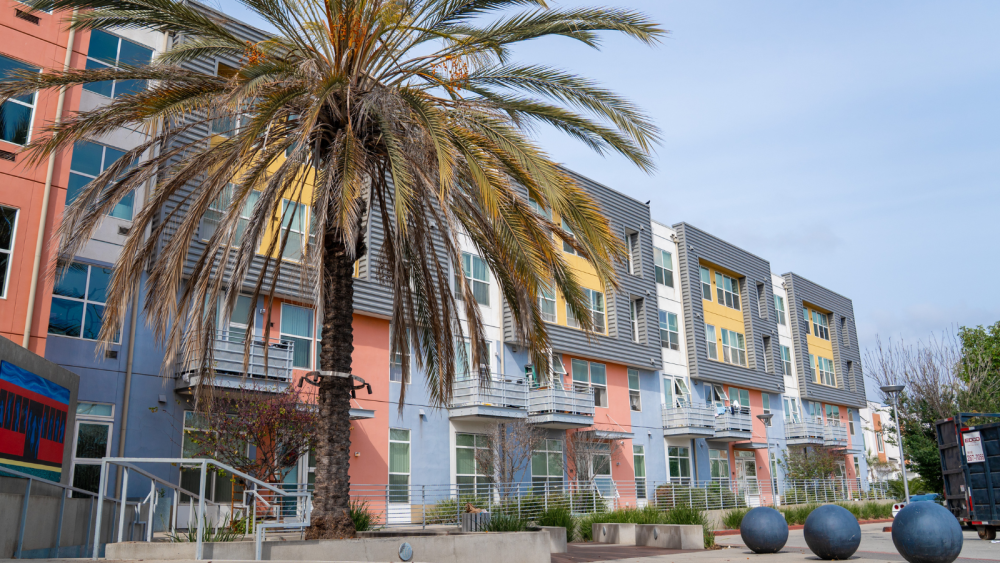
May is Affordable Housing Month, and the City of San Diego is recognizing and highlighting the important role that safe, stable and affordable homes play in building strong and healthy communities. Affordable housing is defined as housing plus utilities that cost no more than 30% of a household’s income. In San Diego, a family of four making $139,900 or less would qualify for affordable housing. When housing is accessible, families are better equipped to succeed, children experience greater stability, and neighborhoods become more connected and resilient.
Yet, despite the many benefits, there are still many misconceptions about affordable housing. These range from concerns about property values to assumptions about those who live in affordable housing. Many of these myths do not reflect reality. Here are some of the most common myths and the facts behind them.
Myth: Affordable Housing Lowers Property Values
A common concern is that affordable housing developments drive down surrounding property values. Studies and community experience continue to support that well-designed, properly managed affordable housing does not decrease neighboring property values. In many cases, redeveloping vacant or underused properties into housing can help revitalize neighborhoods and communities, and encourage additional investment in the nearby area.
Myth: Affordable Housing Increases Crime
Another persistent myth is that affordable housing leads to higher crime rates. However, there is no evidence linking affordable housing to increased crime. In fact, stable housing can strengthen neighborhoods by reducing overcrowding, increasing community investment and creating greater long-term stability for families.
Studies have shown that affordable, stable housing can reduce crime by increasing community cohesion. Neighborhoods benefit when people have access to safe and reliable housing because it provides for a safer environment. Children living in stable homes experience fewer disruptions at school, families are able to remain connected, and residents are better positioned to focus on their health, education and employment. Safe, stable housing is an investment that benefits the entire community.
Myth: Affordable Housing is a Burden on Taxpayers
Some people view affordable housing as an unnecessary public expense, but affordable housing is an investment that benefits the community as a whole. When people have access to stable housing, communities often see reduced strain on emergency rooms, crisis care services and other public resources.
Stable housing can improve physical and mental well-being while lowering long-term public service costs. Affordable housing also supports the local economy. Families who spend less on housing are able to spend more on groceries, transportation, healthcare and local businesses. In addition, affordable housing located near jobs and services can help reduce long commutes and traffic congestion.
Myth: Only People Who Don’t Work Live in Affordable Housing
Affordable housing supports a wide range of San Diegans, many of whom are working individuals and families. Teachers, nurses, service workers, military personnel, public safety professionals, seniors on fixed incomes and young professionals are among those who rely on affordable housing opportunities. In fact, most residents of affordable housing developments work full-time jobs and contribute every day to the success of their communities.
San Diego has a large military personnel population, and when veterans and service members have access to affordable housing, they have easier access to education, job training and counseling so that they can eventually reenter the workforce after retirement. Affordable housing helps ensure that the people who support San Diego can continue living in the city they serve.
Myth: Affordable Housing is Ugly
Modern, affordable and mixed-use housing can include a focus on complementing the surrounding neighborhood. It can fit into communities of any size or style. Affordable housing is typically privately owned, designed and developed. In San Diego, several affordable housing developments have received awards and praise for design and sustainability.
Myth: Affordable Housing Overburdens Public Schools and Infrastructure
Infrastructure costs per unit decline tremendously as housing density increases. That’s because utilities, roads and public services can be provided more efficiently when homes are located closer together. At the same time, affordable housing supports greater school stability by reducing student mobility caused by housing insecurity. This consistency helps children maintain relationships with teachers and peers, leading to better attendance, stronger academic performance and improved test scores, while also allowing schools to plan more effectively.
Building a Stronger San Diego
Affordable housing is about more than housing costs; it is about creating opportunity, stability and a stronger future for everyone. Access to affordable homes helps families remain connected, allows children to thrive in school and supports economic growth and development. We all benefit when our community members have access to safe, stable housing. To learn more about what the City is doing to help bring affordable housing to our communities, read the Affordable Housing in San Diego Explained Inside San Diego article.